
Samsung microwave repair guide
Samsung microwave changed its behaviour? Switch off equipment that sparks, smells burnt or behaves unusually. Do not remove its casing. Prepare the model and postcode before arranging work.
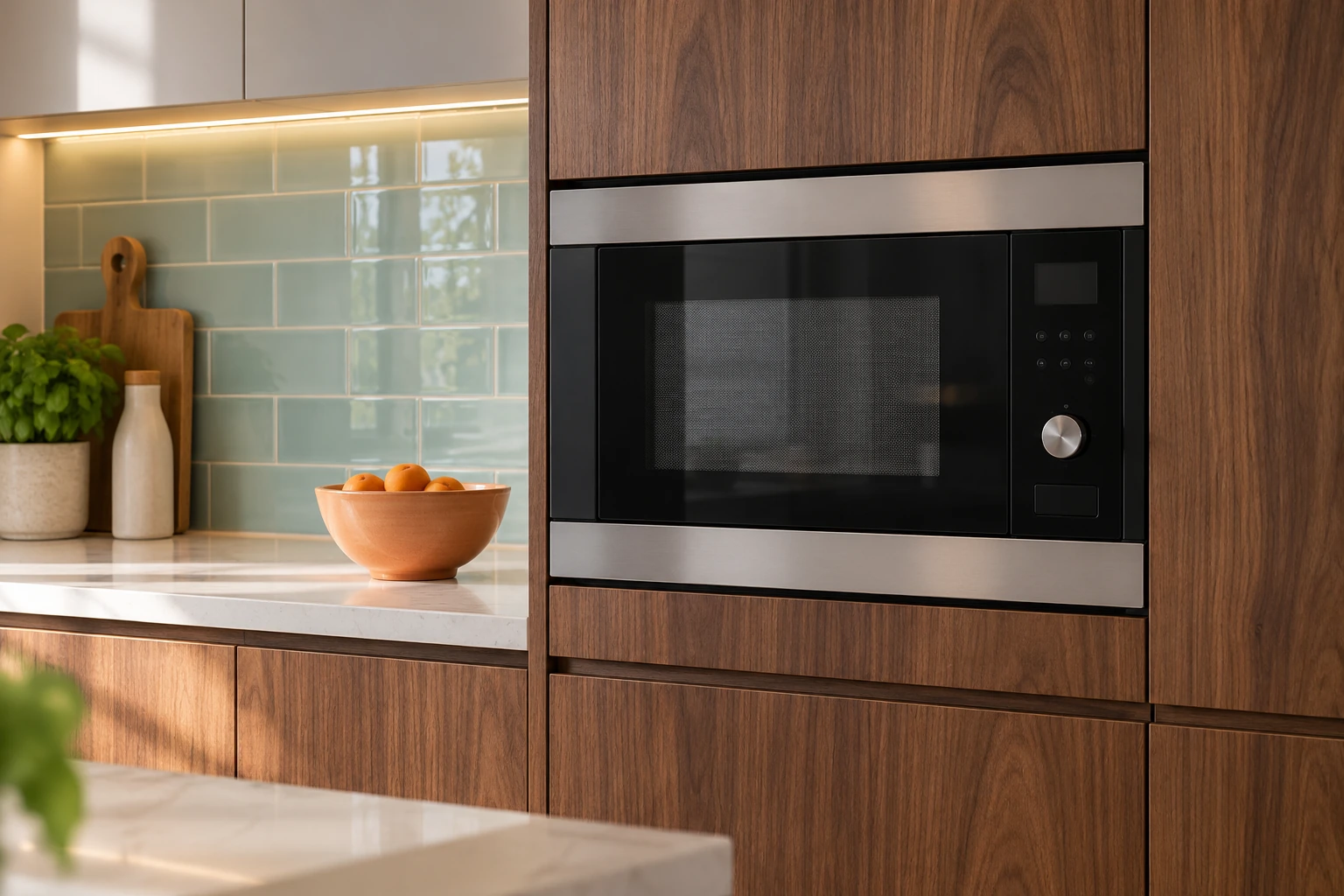
Put the Samsung fault into words.
A microwave enquiry starts outside the cover. Keep it that way.
Sparking, unusual sound and interrupted operation should be described separately; internal microwave parts are not user checks.
Switch off equipment that sparks, smells burnt or behaves unusually. Do not remove its casing.
What has changed?
These are possible assessment areas, rather than a diagnosis or an instruction to dismantle the appliance.
Sparking occurs in use
Switch off and do not keep testing it.
An inspection must establish whether the appliance can safely be accepted for work.
A programme will not begin
Record door response and the exact display without removing the casing.
Controls, door sensing or supply may need assessment.
Food is not heating
Note the selection and whether the appliance otherwise runs, then stop testing.
Internal microwave systems must be assessed by a competent repairer.
The microwave stops during use
Record time and any visible message.
Protection, supply or control may be involved.
The turntable behaves differently
Observe from outside the closed appliance only.
Normal programme behaviour and drive issues need distinguishing.
The microwave makes an unusual sound
Switch it off if operation changes or there is a burning smell.
Sound and timing help assess whether an inspection is suitable.
Make the model useful.
Use the complete model, serial and any additional product reference on the accessible rating label. The same badge can cover several generations of equipment.
Send the accessible model reference and fitting details so inspection suitability can be confirmed first.
Choose the address area.
At the worktop
Say whether a work surface or adjacent cupboard limits movement. The engineer needs an honest view of the fitting, rather than a pulled-out machine.